Balancing Tradition and Boundaries: Postpartum Therapy in Washington, DC for Moms Navigating Cultural Expectations

The postpartum period is often described as a time of adjustment—learning how to care for a newborn, recovering physically, and adapting to a new daily rhythm. But for many mothers, especially those navigating multiple cultural worlds, the emotional experience is also shaped by powerful expectations about what motherhood should look like.
In a diverse city like Washington, DC, many women are balancing family traditions, professional demands, and contemporary parenting advice all at once. After a baby arrives, these influences can collide in unexpected ways. Mothers may feel pulled between honoring cultural traditions and establishing boundaries that reflect their own needs and values.
From a psychological perspective, the transition to motherhood often brings old family expectations and cultural messages to the surface. Ideas about what a “good mother” should do—ideas that may have been quietly absorbed over many years—can suddenly feel very present and very powerful.
Postpartum therapy for cultural expecations can offer a space to slow down and think about these pressures with more clarity and compassion.
The Pressure of Cultural Expectations
Every culture carries ideas about what good parenting looks like. These ideas might include expectations about how a baby should be fed, how much a mother should sacrifice, how involved extended family should be, or which traditions should be followed after birth.
For many women, these expectations don’t just come from outside voices. They often become internal beliefs about what a mother should do. Even when a woman logically knows that a certain expectation may not work for her life, she may still feel guilty for not following it.
A mother might find herself thinking:
My family expects me to do this.
This is how it was always done.
If I do it differently, am I doing something wrong?
These thoughts can create pressure at a time when mothers are already adjusting to enormous changes.
The Emotional Work of Setting Boundaries
In many cultures, the arrival of a baby brings increased involvement from extended family. Grandparents, in-laws, and relatives may offer help, advice, or strong opinions about how the baby should be cared for.
This support can be deeply meaningful. At the same time, it can sometimes create tension when:
family advice conflicts with medical guidance
relatives expect more involvement than the mother feels comfortable with
traditions clash with personal parenting decisions
Learning to set boundaries during this time can be emotionally complicated. Many mothers worry that saying “no” will hurt or disappoint family members.
But becoming a parent also means stepping into a new role. A woman who once looked to others for guidance is now responsible for making decisions for her own child.
Postpartum therapy can help mothers think about how to set limits in ways that still honor important family relationships. Boundaries do not have to mean rejecting family traditions; often, they simply help create space for the new family to develop its own rhythms.
Shifting Roles Within the Family
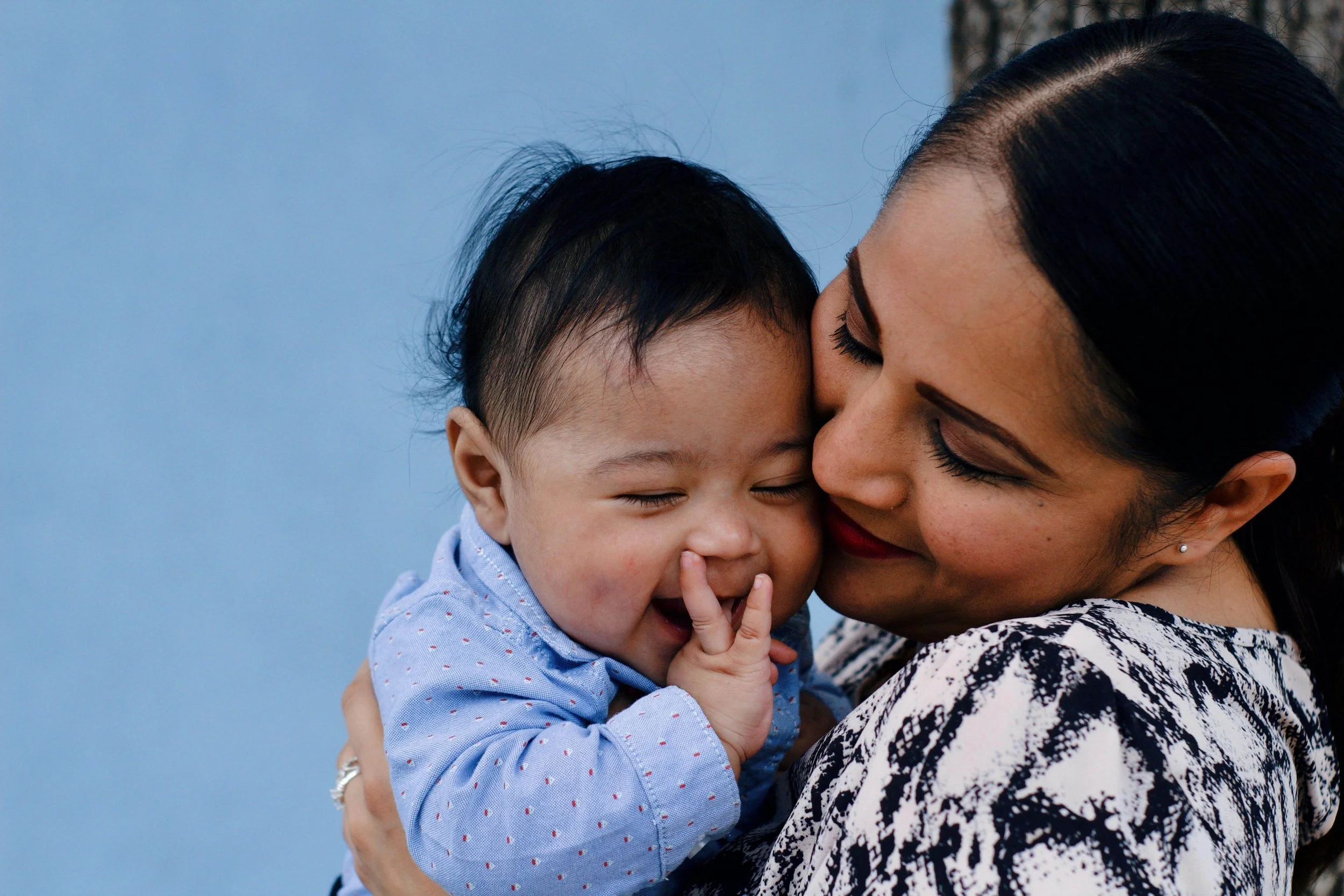
The arrival of a baby often changes the structure of family relationships. A woman who once related to her parents primarily as a daughter may now find herself making independent decisions about the care of a child.
This shift can feel surprisingly emotional. Parents and grandparents may have different ideas about what is best for the baby, and both generations may feel strongly about their views.
For the new mother, this moment can bring mixed feelings—gratitude for the care she once received, but also a desire to find her own way as a parent.
Part of becoming a mother is learning how to carry forward what felt meaningful from one’s upbringing while also allowing room for new choices. Postpartum therapy in Washington, DC, can provide a place to think through these decisions without feeling rushed or judged.
Language, Tradition, and Finding Your Own Voice
For many families, cultural traditions are closely tied to language. The language spoken at home often carries memories of childhood—how comfort was offered, how affection was expressed, and how care was given.
After a baby is born, some mothers find themselves thinking carefully about which language they will use with their child. For families who speak more than one language, this choice can carry emotional meaning.
Some mothers feel strongly about passing on their mother tongue as a way of preserving culture and connection across generations. Others may notice that they instinctively speak to their baby in a different language from the one their own mother used.
Sometimes this choice reflects a subtle way of shaping a new parenting identity. Speaking in a different language can feel like creating a slightly different maternal voice—one that reflects the mother’s current life rather than repeating the exact patterns she grew up with.
Working with a culturally aware postpartum therapist can provide a thoughtful space to explore these choices. Language, like many aspects of parenting, often carries emotional layers connected to family history and identity.
Creating a Personal Path Within Tradition
Balancing cultural traditions with personal boundaries is rarely simple. Traditions often carry deep emotional meaning, and family expectations can be connected to love, care, and belonging.
At the same time, every new family must find its own way. Each mother and baby relationship develops within the particular circumstances of their lives.
Postpartum therapy services can help mothers reflect on questions such as:
Which traditions feel meaningful to continue?
Which expectations feel difficult to sustain?
Motherhood often involves both continuity and transformation. Navigating that balance can be challenging—but it can also be an opportunity to build a family identity that feels both rooted and authentically one’s own.
Find Postpartum Therapy for Cultural Expectations in Washington, DC

Motherhood can feel overwhelming, and cultural expectations can add extra pressure. Individualized postpartum therapy for cultural expectations in Washington, DC, supports moms as they navigate family traditions, community pressures, and their own personal needs.
Here’s how therapy can help:
Schedule a consultation to understand cultural pressures shaping your postpartum experience and parenting decisions.
Begin postpartum therapy and set healthy boundaries with family, partners, or community while honoring your values.
Manage stress, guilt, or conflict so you can feel confident, calm, and supported.
Starting postpartum therapy with a postpartum therapist can help you balance tradition with personal needs, nurture your wellbeing, and feel more empowered in your journey through motherhood.
Individualized Therapy and Support with Nina Van Sant in Washington, DC
Beyond postpartum therapy in Washington, DC, I offer personalized counseling for individuals navigating a wide range of emotional challenges and life transitions. My services include support for those experiencing infertility-related stress, psychoanalytic therapy, and guidance for both adolescents and older adults. I also work with expats and international professionals adjusting to cultural shifts, relocations, and the emotional complexities that come with major life changes.
My approach is collaborative and reflective, focusing on fostering self-awareness, insight, and emotional growth. Together, clients explore recurring patterns, strengthen resilience, and implement meaningful changes that honor their authentic selves and align with their goals for life and wellbeing.